
How a Trusted Device Setup Changes Your Casino Login
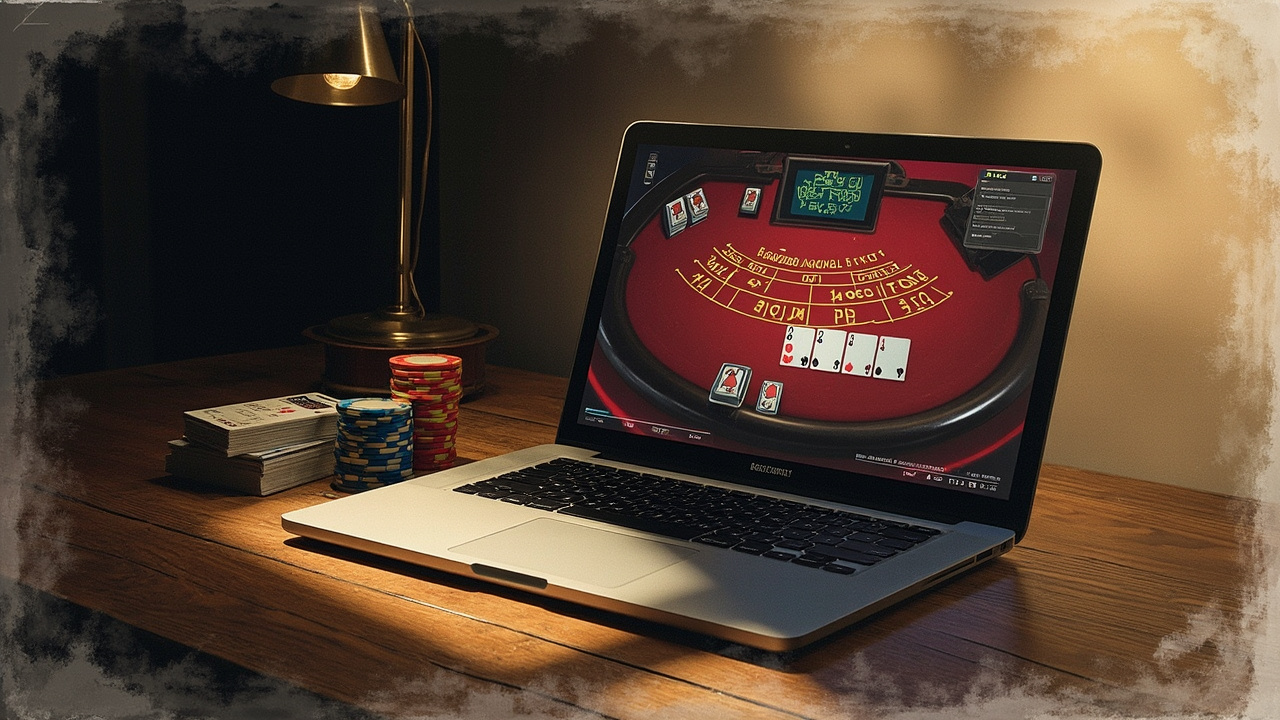
Seventy-two hours is how long a wary punter can spend after a bad login experience. You reset the password, you check the email, you try again, and the machine still tells you it does not recognise the browser. That loop is what sends people hunting for a trusted device casino account Australia setup that actually sticks. The phrase gets thrown around by operators who want you to think one click solves everything, but the reality is more like a handshake you have to earn back each time you switch machines.
Second chances are not the same as a clean slate, and anyone who has been burned by a flagged session knows the difference. You are not asking for special treatment when you want the site to remember your usual laptop and stop interrogating you every morning. You are asking for a predictable login that does not turn a ten-minute session into a twenty-minute security review. That is a reasonable request, and it is also one that gets mishandled more often than it should.
Confirm the login method before you deposit
A proper device check is not a magic word you type once and forget. It is a sequence you can verify in a minute if the venue has not made it unnecessarily fiddly. Start with the browser you actually use most often, because a trusted device marker tied to a lab top you borrowed for a weekend will expire the moment you clear the cache. Log in from that primary machine, complete the normal authentication, and then watch for the prompt that asks whether to remember the device. Accept it on a private network, not on the free Wi-Fi at a Gold Coast café where half the patrons are on the same shared connection.Reddit
Some venues also ask you to set a device nickname so you can tell your home laptop from your phone later. That sounds minor until you have three remembered devices and no idea which one triggered the security alert at 2am. Give each one a name that means something to you, and keep the list short enough that you can actually audit it. If the operator makes you jump through extra hoops every time you log in from the same machine, that is not security, it is friction dressed up as protection.
Read the balance between convenience and the operator’s risk rules
There is a contrary view worth hearing, and it usually comes from the operator side rather than the player side. The security team at a venue will tell you that device memory is a convenience feature, not a substitute for the checks they are required to run on suspicious activity. From where they sit, a remembered device is just one signal among several, and it does not override the need to confirm your identity when the pattern changes. That position has a point, because a laptop remembered six months ago is not the same as a laptop that suddenly logs in from a different postcode.
The player view is different, and it is not just stubbornness. You want the remembered device to mean something consistent, because every extra verification step costs time and attention you would rather spend on the session itself. The honest middle ground is that a trusted device marker should reduce noise, not remove the checks that matter. If a venue tells you the marker makes you exempt from everything else, that is the kind of claim you should treat with the same suspicion you would apply to a headline rate that sounds too tidy.
When the interface respects that preference, friction drops and engagement rises. Platforms that streamline authentication while offering immediate value tend to keep users focused on the experience rather than the login process. You can see this approach in action at skycrown 9 no deposit bonus, where reduced verification overhead helps maintain session momentum.
Keep your usual setup within Australian practical limits
Australian players tend to judge these things by whether they fit into an ordinary routine, not by whether the marketing copy sounds polished. A Gold Coast punter who checks in after a day on the water does not want a login process that assumes they are sitting in a corporate office with a wired connection. The practical test is whether the remembered device still works when you are on your home broadband, on your phone over cellular, and on the laptop you actually use most often. If one of those fails constantly, the setup is not trusted, it is temperamental.
Local habits also shape what counts as reasonable. A lot of Australians are comfortable with a quick scratchie purchase at the newsagent because the stakes are visible and the transaction is over in a minute. That same instinct applies online: you want a login and a device check that do not turn a simple session into a project. Reef Casino in Cairns serves visitors to the Great Barrier Reef region, and that kind of venue has to think about people arriving from different places and logging in under changing conditions. You can borrow that logic for your own setup by making sure your remembered devices match where you actually play, not where a marketing page assumes you live.
Compare a venue visit with the online device routine
The difference between walking into a venue and logging in from a remembered device is not just convenience. It is the kind of friction you are willing to accept, and the table below lays out the bits that matter most when you are deciding where to put your time.
| Factor | Venue visit | Online from a remembered device |
|---|---|---|
| Travel and timing | You leave home and arrive on your own schedule | You log in from the same machine without the trip |
| Identity check feel | Staff can ask for proof in person if something looks off | The venue relies on device signals and account checks |
| Session start time | Depends on queues, opening hours, and how busy the floor is | Usually faster if the device marker is current and recognised |
| What changes the experience | Location, crowd, and whether you are in the right state for a trip | Network, browser, and whether the remembered device still matches |
That comparison is not an argument for one side over the other. It is a way to see what you are actually trading when you rely on a remembered device instead of walking through a door. A venue visit has a physical limit you can see, while an online session has a technical limit you only notice when the marker stops working. Both can be fine, but they fail in different ways, and knowing which failure you are prepared for is half the battle.
Set up the device list so it survives a change of browser
A working setup is one you can rebuild without starting from zero every time you switch laptops. The practical move is to keep the list of remembered devices small enough to manage and to test each one after a major browser update. If you know you will be moving from Chrome to another browser on the same machine, treat that as a new device rather than assuming the marker will carry over. That assumption is where most of the frustration comes from, because a trusted marker tied to one browser profile is not automatically trusted by another.
This ensures your workflow remains portable across different machines. For a detailed breakdown on maintaining digital compliance, see this Australian legal resource. Such habits reduce friction when migrating to new hardware.
The before-and-after difference matters here. Before you tidy the list, you usually have a mix of old phones, expired lab machines, and one device you actually use, all sitting under the same account with no clear order. After you trim it, you have a short set of named devices that you can check in a minute, and сайт бренда you know which one is the primary one for day-to-day play. That is the difference between a setup that feels under control and one that keeps surprising you when you least want it to.
- Name each remembered device so you can tell your phone from your laptop without guessing.
- Keep the list short enough that you can audit it after a browser change or a new machine.
- Accept the device marker only on a network you trust, not on shared public Wi-Fi.
- Log out from devices you no longer use instead of leaving old markers sitting on the account.
- Test the primary device after a major update so you know whether the marker still holds.
- Treat a sudden login change as a reason to verify, not as a reason to assume the worst.
Anyone who writes about gaming for a living learns to spot the difference between a system that is genuinely tidy and one that just looks tidy in a screenshot. A fair comparison is the one that survives contact with real use, not the one that survives a demo on a clean machine. That same standard applies here: if the device routine breaks the first time you change browsers or switch networks, it was never really trusted, it was just convenient for a single afternoon.
If you want something you can act on today, pick the one machine you actually use most often and make it the only device you trust for now. Clear the others, name the main one, and log in from it on a private connection so the marker sticks to the right setup. That gives you a baseline you can rebuild from if something changes, instead of a scattered list that keeps producing alerts you did not ask for.